
Impacts of the Storm on Agriculture
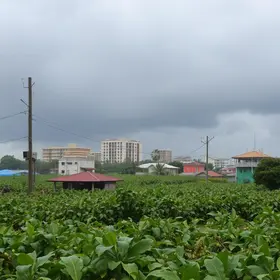
Recent weather events have significantly affected agriculture in the Ribeirão Preto region. The storm, characterized by powerful winds reaching speeds of 160 km/h, resulted in extensive damages across various farms. Producers are currently in the process of assessing the overall impact, which includes not just crop losses, but also severe infrastructural damage.
Damage to Warehouses and Machinery
In Dumont, a prominent peanut producer, Mário Donegá, reported damage amounting to approximately R$ 35 milhões. His storage facilities and machinery warehouses were hit hard, causing substantial disruptions to his operations. The tornado-like winds knocked down structures that were vital for the storage of peanuts and the upkeep of farming machinery.
Estimating Losses by Producers
Other producers in the area, like sugarcane grower Mário Lemos from Taquaritinga, are also struggling to quantify their losses. Assessments continue, as the full impact on sugarcane plantations, particularly regarding future recovery, is still unknown. Experts from the Orplana organization estimate that about 105,000 hectares of farmland across the region were affected, which underscores the extensive reach of the storm.
Emergency Credit Lines
In response to the scale of the devastation, the São Paulo state government announced an emergency credit line of R$ 400 milhões. This funding is designated for the recovery of farms and businesses impacted by the storm. The financial aid will be crucial for local producers to rebuild their operations and recover from this natural disaster.
Recovery of Affected Structures
Donegá emphasizes that while crop damage is severe, the most pressing concern is the loss related to storage and infrastructure. The governmental aid will be aimed at supporting recovery efforts including the repair and reconstruction of these vital facilities, which are essential for maintaining produce quality and storage capability.
Damage Assessment of Crops
The evaluation process for damaged crops is ongoing. Producers are cautiously optimistic but aware that full damages will take time to understand thoroughly. The lingering questions revolve around the recovery potential of affected sugarcane and peanut fields, as the extent of regeneration will dictate financial viability in the ongoing season.
Stories from Affected Producers
Local farmers, many of whom have operated in the region for generations, express feelings of disbelief regarding the storm’s aftermath. Mário Donegá reflected on the magnitude of the damage by noting that this type of event has never occurred in his extensive farming career. His experiences resonate with the broader farming community grappling with similar challenges.
Conditions for Accessing Credit
The credit lines offered are structured to assist business owners and producers from municipalities where state of emergency decrees have been issued. Financial offerings will include investment lines for infrastructure rebuilding and operational capital, ensuring that fund distribution is both comprehensive and effective.
The Government’s Reaction to the Disaster
Governor Tarcísio de Freitas has labeled the destruction unprecedented, emphasizing the urgent need for resources to assist the affected local agricultural sector. His remarks reflect a commitment to support recovery efforts and ensure that local farmers can resume operations as swiftly as possible.
Future Prospects for Agriculture in the Region
Moving forward, the agricultural outlook in Ribeirão Preto will depend heavily on immediate recovery efforts and long-term strategies to bolster infrastructure resilience. As producers begin to rebuild, attention will not only focus on repair but also on implementing better practices to mitigate future storm impacts.